
Antennas are a fundamental part of any wireless RF system, forming the link that allows data to move seamlessly between devices, networks, and the cloud. Whether part of a complex industrial deployment or a simple sensing application, system performance depends heavily on the quality and suitability of the antenna. Choosing the right design early in development ensures optimal coverage, efficiency, and reliability; because integration, not afterthought, is the key to successful wireless communication.
The Wide World of Antenna Applications
Siretta antennas are at the heart of countless connected systems across an ever-growing range of industries and environments. From manufacturing plants and transport networks to energy infrastructure and smart devices, our customers rely on consistent, high-performance connectivity to keep data flowing and operations running smoothly. With a broad portfolio of antenna designs supporting multiple technologies, and a development roadmap shaped by evolving customer needs, Siretta continues to deliver solutions that adapt as communication standards advance.
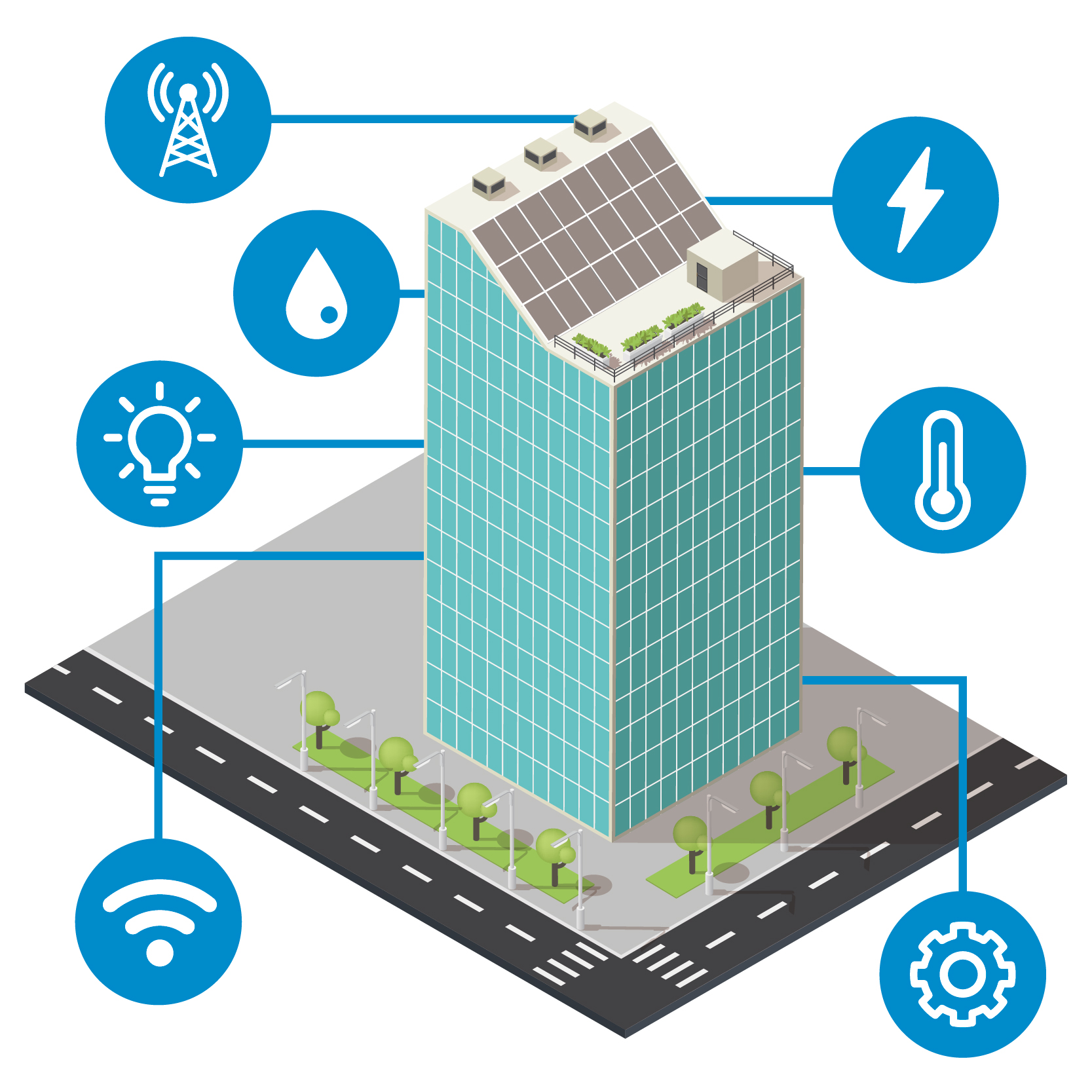 1. Smart Buildings
Within intelligent buildings, antennas provide the wireless backbone that links lighting, climate control, and energy management systems. Continuous, high-integrity connectivity allows these systems to adapt in real time, optimising comfort and reducing waste. By maintaining strong signal performance through complex indoor environments, Siretta antennas help facilities operate more efficiently and sustainably.
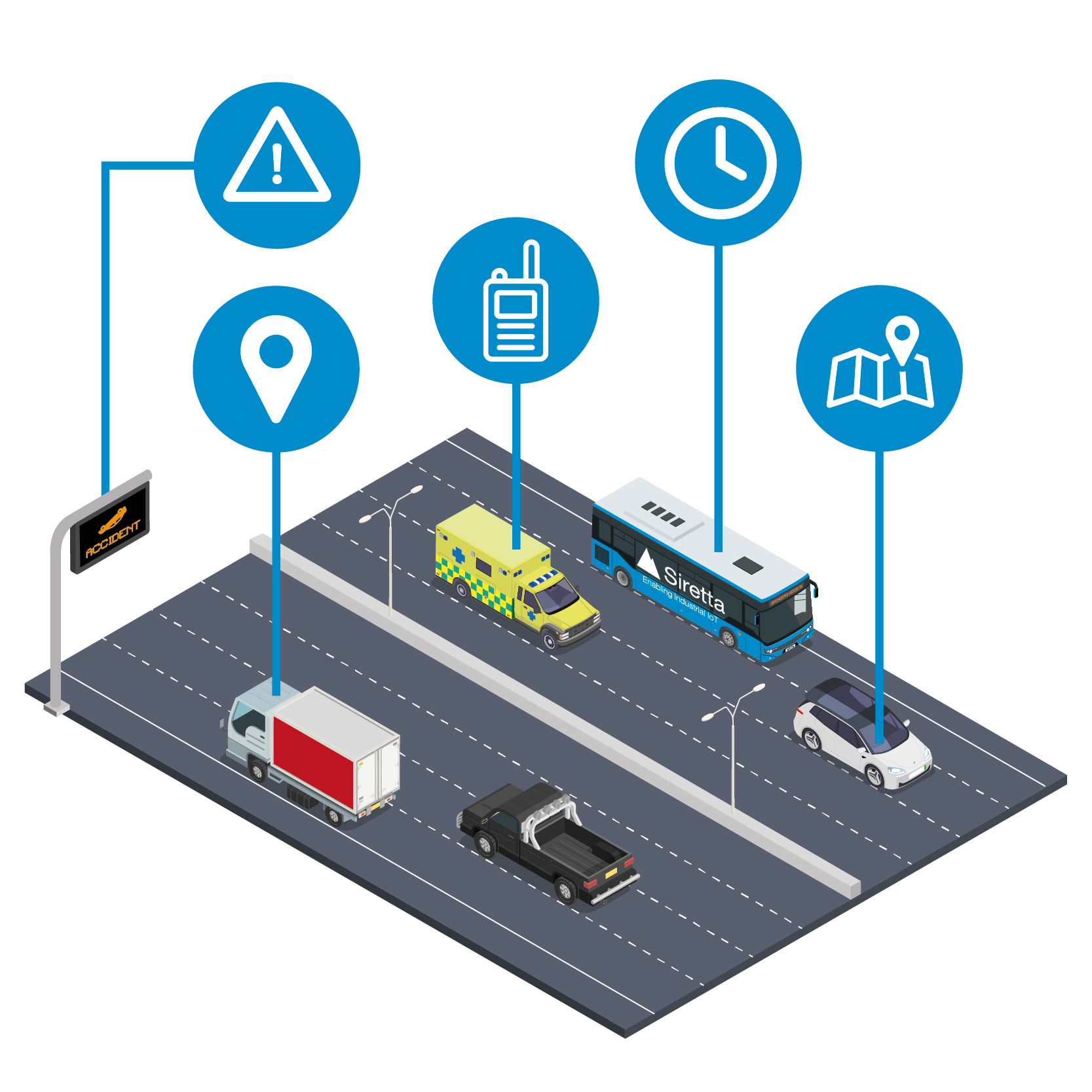 2. Connected Transport
Modern transport networks rely on constant communication between vehicles, infrastructure, and control systems to keep people and goods moving safely and efficiently. Antennas enable this exchange of data, supporting applications such as fleet tracking, emergency response coordination, digital signage, and smart public transport. With robust connectivity across mobile and fixed assets, these systems improve traffic flow, enhance safety, and lay the groundwork for the next generation of intelligent mobility.
 3. Industrial IoT
In modern production environments, antennas connect sensors, controllers, and machines that share operational data across the factory floor. This constant flow of information supports predictive maintenance, precise automation, and data-driven efficiency. Designed for resilience, Siretta antennas maintain stable connections even in the presence of metal structures, vibration, and electrical noise.
4. Medical & eHealth
Reliable connectivity is critical to devices that monitor, diagnose, and deliver care. Embedded antennas enable secure, high-bandwidth communication between medical equipment, wearable sensors, and healthcare networks. These links help clinicians respond faster and patients remain safely connected beyond the hospital environment.
5. Security & Public Safety
From city surveillance systems to body-worn cameras, antennas carry continuous video and telemetry streams to command centres. High-performance RF design ensures clarity and reliability, even in dense urban or mission-critical scenarios. By keeping data flowing when it matters most, Siretta technology supports coordinated, informed responses.
6. Consumer & Embedded IoT
Connected living depends on countless devices quietly exchanging data in homes, workplaces, and public spaces; from entertainment systems to smart appliances. Each product brings the challenge of integrating high-performance antennas into compact enclosures without compromising range, efficiency, or compliance. Thoughtful RF design and precise tuning ensure these devices maintain reliable connectivity while blending seamlessly into everyday life.
7. Logistics & Transport
Keeping track of vehicles and goods in motion is essential for any logistics operation. With low-profile antennas linked to IoT tracking and telematics systems, businesses gain real-time insight into their fleets. This visibility enables smarter routes, more accurate deliveries, and better overall performance while keeping costs down.
8. Agriculture
When weather-resistant antennas are paired with smart sensors, agricultural systems can continuously monitor soil, crop, and environmental conditions. This enables data-driven precision farming that leads to higher yields and more sustainable use of resources.
Antenna mounting
We offer a vast array of antennas, from embedded PCB designs through to high gain directional pole mounted Yagi types. The starting point in selection will be based upon the mounting design, simple stick in place, directly attached, embedded, magnetic, bolt on or pole/wall mounted. After the initial choice simply pick the communication technology that suits your application (2G/3G/4G, WiFi/Zigbee/Bluetooth, ISM Band/NB IoT/LoRa/SigFox, GPS or of course, a combination of 2 or 3 types).
To identify the ideal antenna for your application we have developed the Antenna Selector Tool which is a configurable filter to narrow down the results to match your exact requirements.
Comprehensive Antenna Datasheets with Verified Test Data
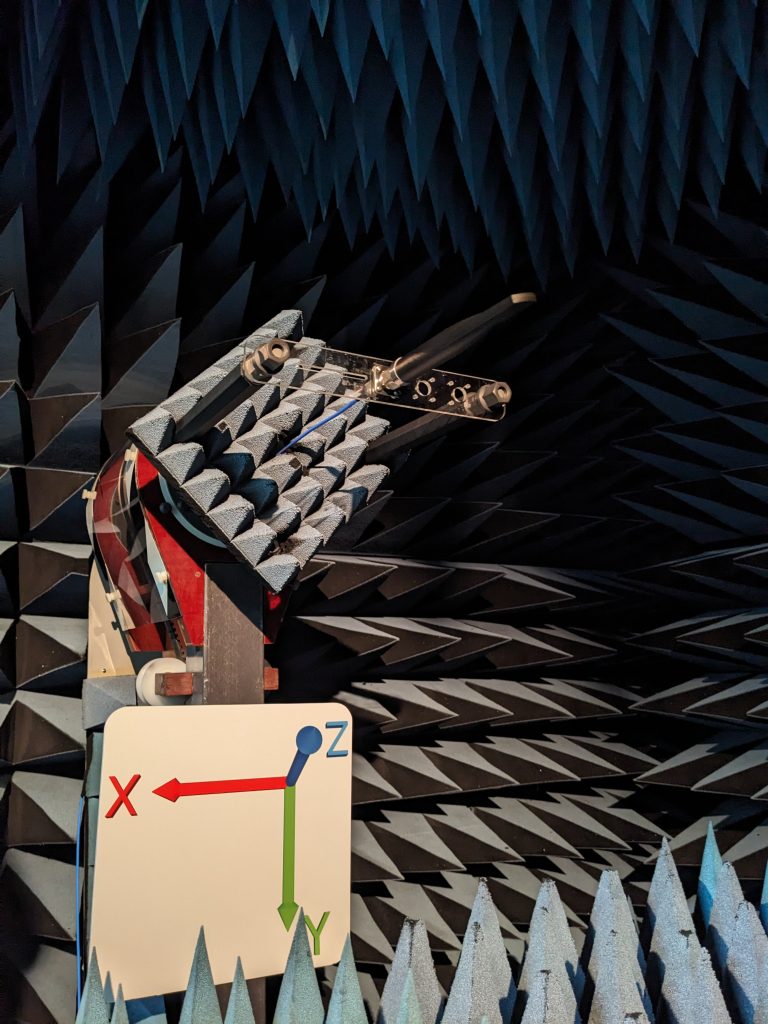
Every Siretta antenna is backed by a comprehensive, engineer-focused datasheet that presents real performance data clearly and accurately. Supported by measurements taken in a fully calibrated anechoic chamber, each datasheet is designed to give you a quick, at-a-glance overview in the opening pages, followed by detailed test data and analysis further down. We don’t curate or simplify the results, we show the full picture, so you have everything you need to make an informed decision on antenna selection.
Gain
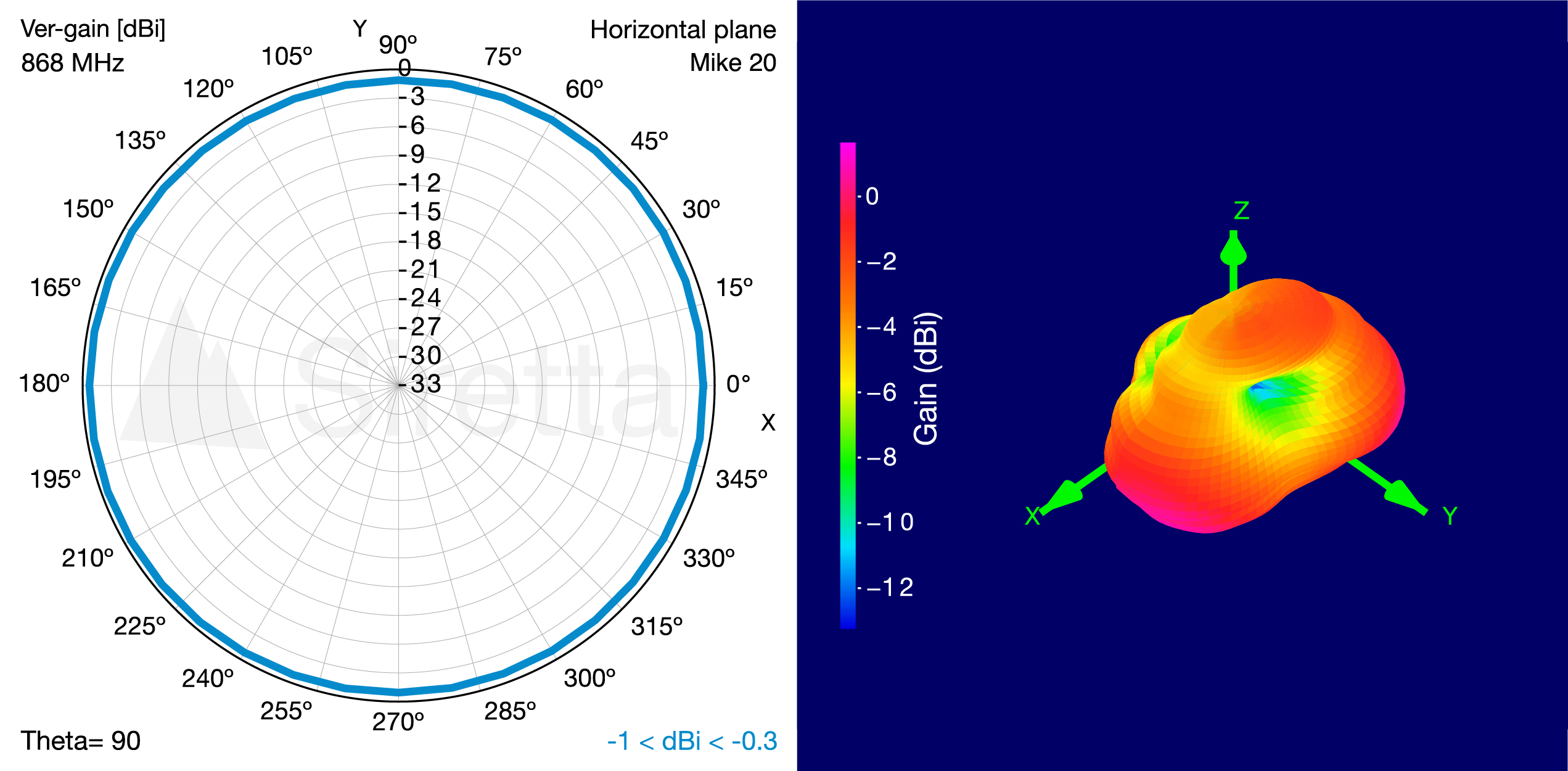
Selecting the right antenna gain is essential to achieving optimal wireless performance. Higher-gain antennas provide extended range and stronger signal strength in open or remote environments, while lower-gain designs offer broader, more uniform coverage ideal for confined or high-density areas. Siretta’s antenna datasheets include detailed 2D and 3D radiation patterns, along with peak gain across frequency tables, giving you a clear understanding of each antenna’s real-world performance characteristics.
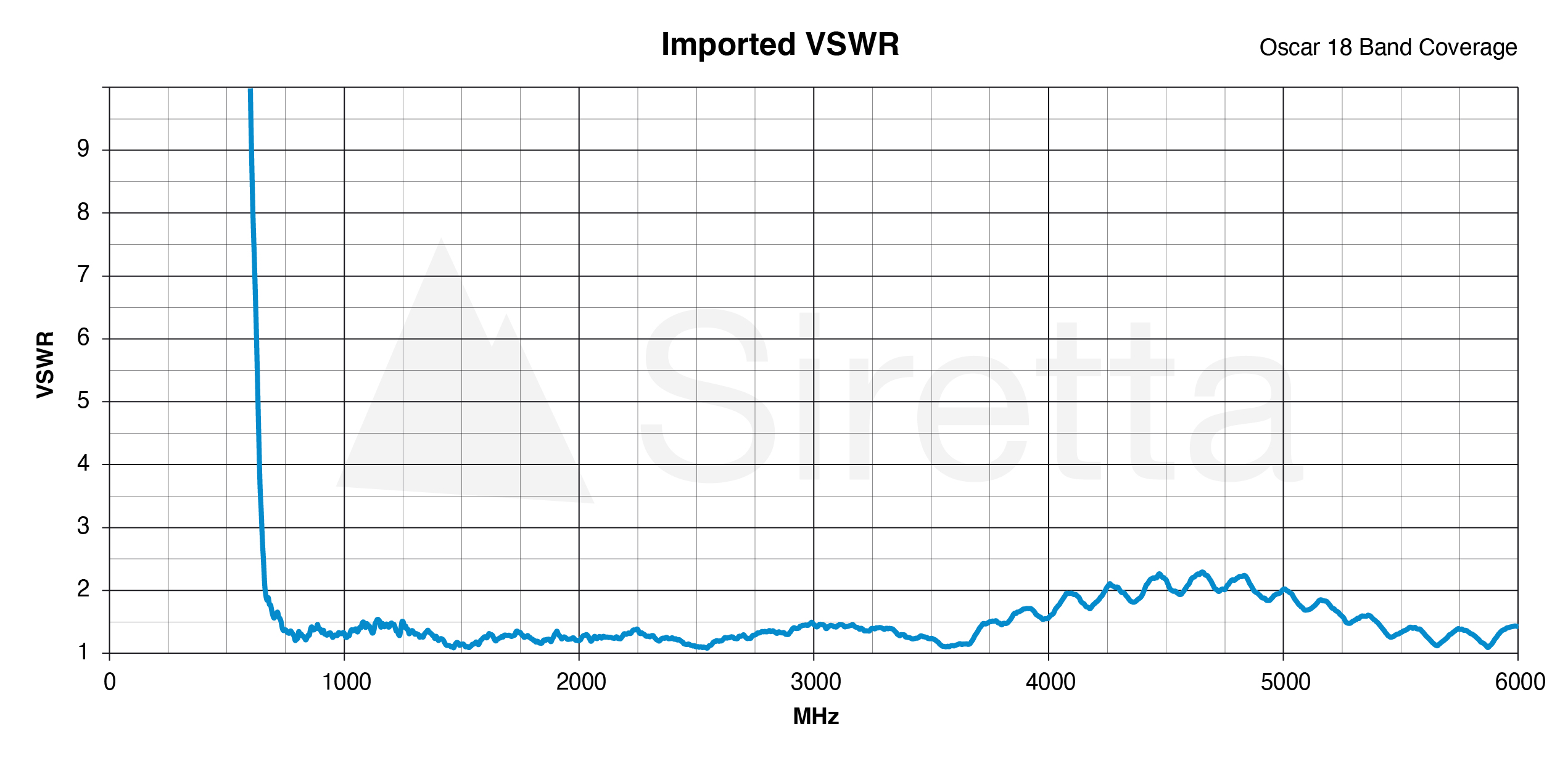
VSWR
Voltage Standing Wave Ratio is a measure of the impedance matching between the antenna and the connected device. A lower VSWR denotes reduced signal reflection and improved power transmission, resulting in more efficient system performance. VSWR is not a single value, it varies across frequency so be sure to check the VSWR across frequency chart on our datasheets.
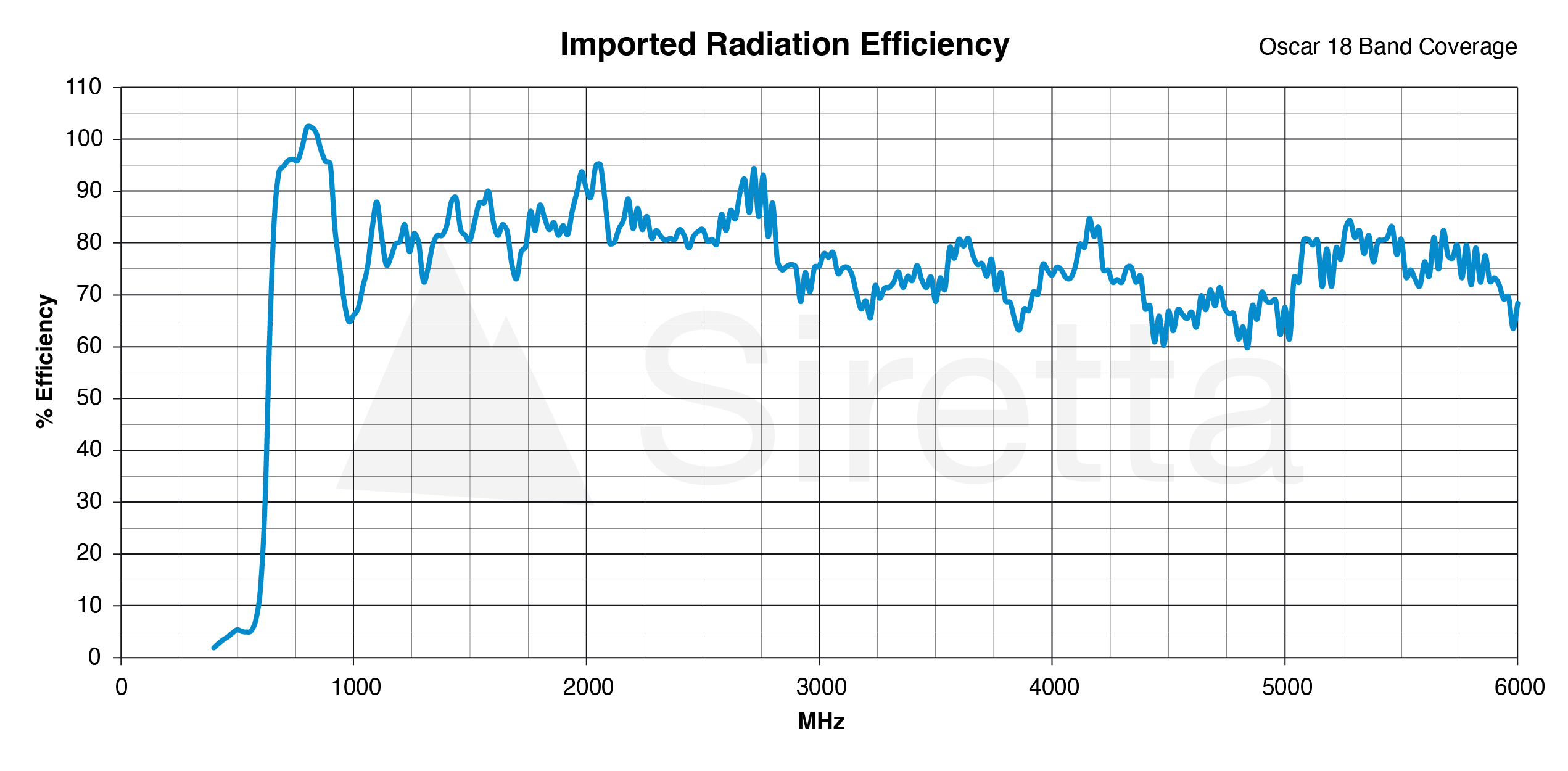
This determines how effectively an antenna can convert input power into radio waves. Antennas with high radiation efficiency can deliver superior performance and coverage. Be sure to refer to Siretta’s Antenna Datasheets to view each antennas radiation efficiancy across the 400 – 7.125 GHz frequency range.
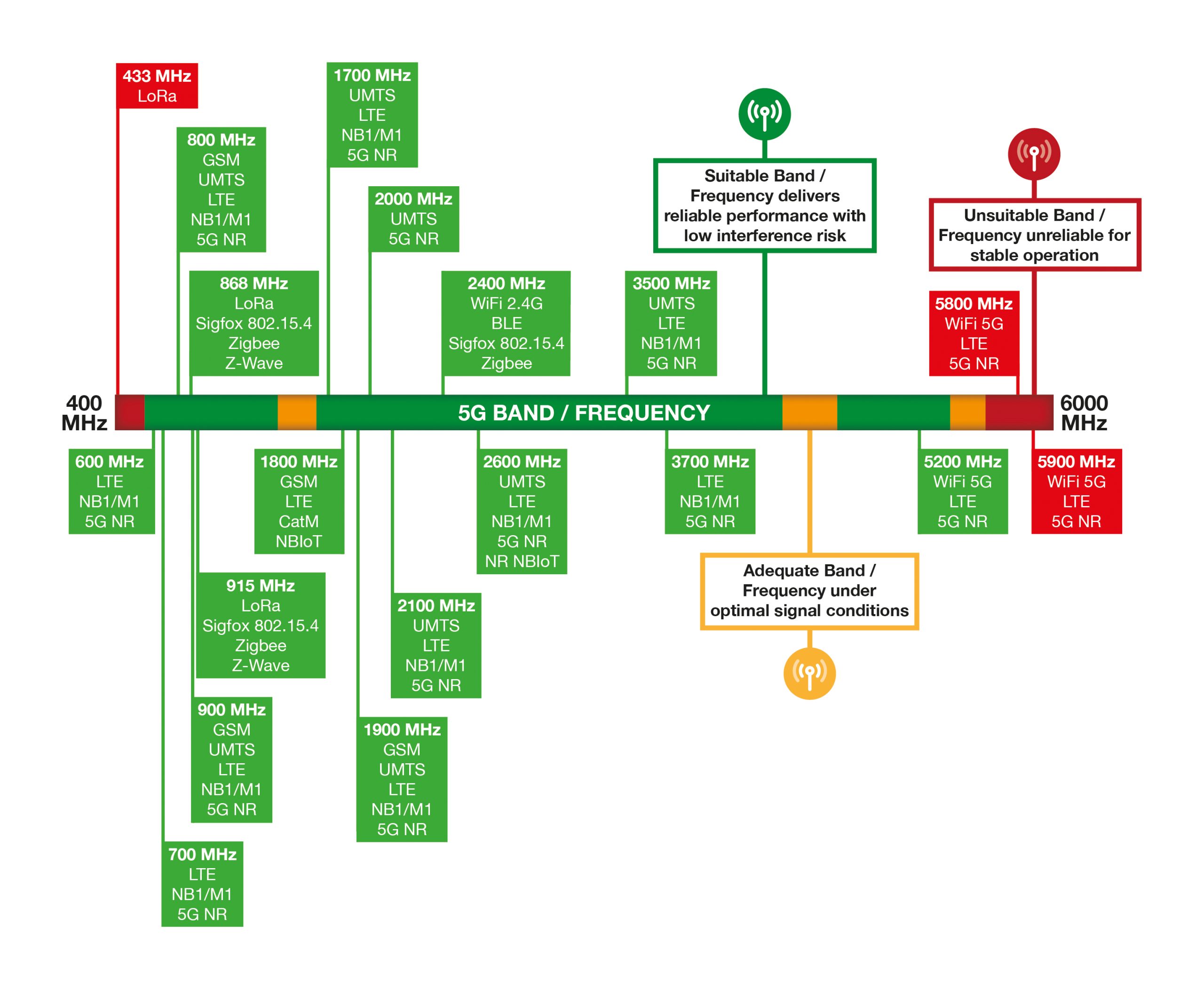
Siretta’s Traffic Light Use Indicator
To facilitate the antenna selection process, Siretta have developed a formula that takes those important VSWR, Radiation Efficiency and Gain readings and gives you a colour inidator for each cellular and non-cellular frequency and band.
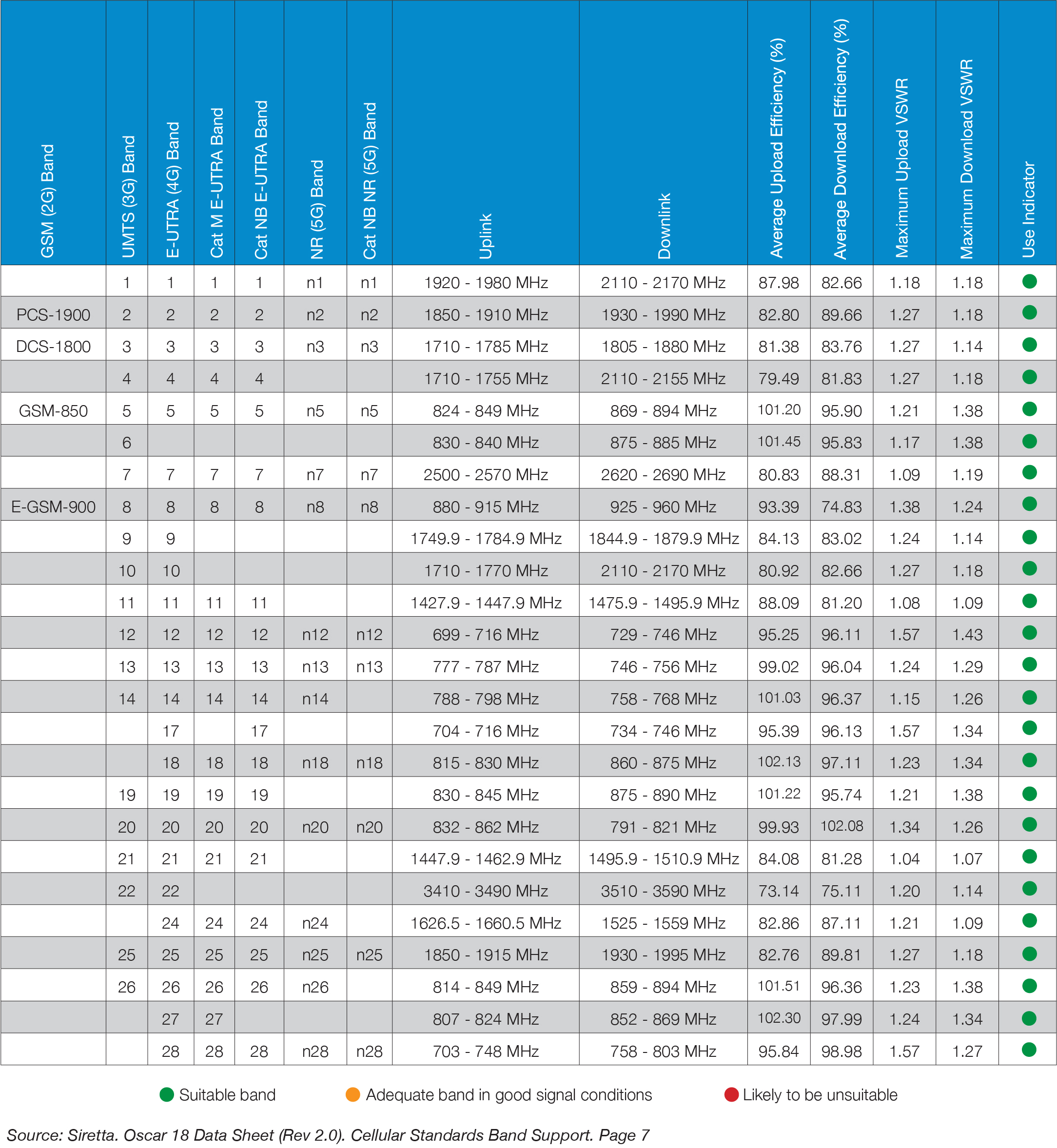
Additionally, a Band Coverage Table details every known cellular band (4G/5G Cat M, NBIoT) as well as non-cellular band (Wi-Fi, ISM, Bluetooth), listing maximum VSWR and average efficiency percentages for both upload and download. A use indicator tab further guides compatibility, ensuring the antenna you’re considering matches your specific band requirements.
Interested in learning more about how antenna specifications translate into real-world performance? Download our free Antenna 101 eBook; a practical technical guide that explains key parameters, selection factors, and test data interpretation to help you choose the right antenna for your design.
3rd Party Verified
As part of our commitment to transparency and trust, Siretta’s RF antennas are independently tested by third-party RF specialists to confirm their real-world performance.
Each unit is measured in a fully calibrated anechoic chamber, producing accurate, repeatable data across the relevant frequency bands.
The results from these external tests are published directly in our datasheets, giving engineers clear insight into genuine, verified antenna behaviour.
This approach ensures every specification we share is based on independently measured results, not theoretical simulations.

Find out more (external)
Technology changes and moving to 5G
Mobile and wireless technologies continue to evolve rapidly, with 5G now transforming global connectivity standards. As many regions complete the shutdown of 3G networks and refarm spectrum for LTE and 5G services, 4G remains a key platform for IoT and industrial communication.
The transition from LTE to 5G is taking place primarily within the sub-6 GHz frequency range (FR1), covering bands from around 600 MHz up to 6 GHz. These frequencies balance coverage and capacity, allowing network operators to deliver faster speeds and lower latency while maintaining compatibility with existing infrastructure. Designing with antennas that support both LTE and 5G NR ensures long-term reliability and performance as networks continue to evolve.